Blog
GymsYour Trainers Are Your Content Engine (You're Not Using Them)
Published 2026-03-13
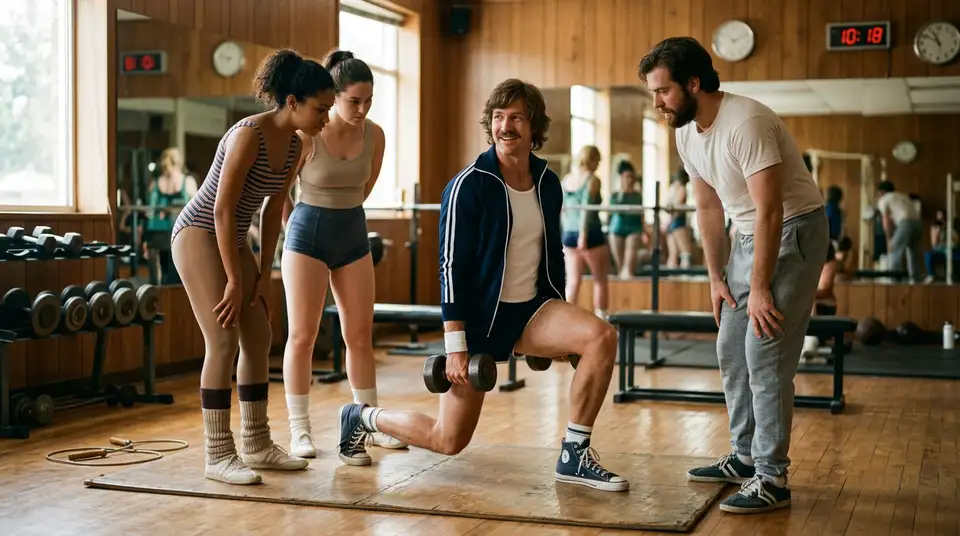
Marco posted a 60-second video on his personal Instagram yesterday. Quick tip on proper deadlift form. Good lighting, clear explanation, filmed right there on your gym floor with your logo on the wall behind him.
1,400 views. 86 likes. 15 comments from people asking follow-up questions. A handful of DMs asking about his availability.
Meanwhile, your gym’s Instagram has not been updated in three weeks. Your website blog section says “Coming Soon” or has a single post from January about New Year’s resolutions. Your Google presence is a business listing with your hours and a phone number.
Marco is building his personal brand on your gym floor, with your equipment, during your business hours. And every follower he gains, every client he attracts through his content — that is all attached to his name, not yours.
When Marco leaves — and trainers do leave — those followers go with him. That audience is his. Those DMs are his. All of that attention and trust he built? None of it belongs to your gym.
This is not Marco’s fault. He is doing exactly what smart trainers do. The question is: why is your gym not doing the same thing?
The content goldmine you are sitting on
Fitness content is one of the most engaging categories on the entire internet. It outperforms food, travel, fashion — almost everything. Workout tips, form corrections, transformation stories, nutrition advice — this content gets roughly 2 times the engagement rate of the average industry post.
And you have a building full of people who create this content naturally. Your trainers demonstrate exercises all day long. They correct form. They explain nutrition. They motivate people through plateaus. They celebrate PRs and transformations.
All of that expertise, all of those stories, all of those visual moments — they are happening inside your four walls every single day. And almost none of it ends up on your gym’s owned channels.
Here is the opportunity in numbers. 78% of consumers trust content from individuals more than content from brands. That means your trainers’ faces, voices, and personalities are more persuasive than any polished brand video you could produce.
Gyms that publish content regularly — even basic, consistent content — see up to 40% more organic search traffic than gyms that do not. That is 40% more people finding your website through Google without you spending a cent on ads.
You are sitting on a content goldmine and treating it like a storage closet.
Why this keeps not happening
Every gym owner I talk to already knows content matters. They have heard the advice. They have even tried it a few times. So why does it keep falling apart?
Because there is no system.
“We should post more” is not a system. It is a wish. And wishes do not survive contact with a busy Tuesday when three trainers called in with schedule changes and the AC broke.
Without a system, content depends on someone remembering, someone having time, someone knowing what to post, and someone actually doing it. Four dependencies, any one of which can (and regularly does) fail.
The other problem is ownership. If you tell your trainers “post content for the gym,” they hear “do extra unpaid work that builds your brand instead of mine.” And they are not wrong to hesitate. There is a real tension between a trainer’s personal brand and the gym’s brand, and most gyms handle it by ignoring the tension entirely.
The fix: a weekly Trainer Tip system
Here is a system that takes 5 minutes per trainer per week, builds your gym’s online presence, and actually benefits the trainers too.
Step 1: One tip, one trainer, one week
Each week, one trainer records a 60-second video tip. That is it. One tip. Not a content calendar with 15 pieces across 8 platforms. One video.
The topic can be anything they are already talking about in sessions. How to warm up properly. Three mistakes beginners make with squats. What to eat before a morning workout. How to stretch your hip flexors if you sit at a desk all day.
These topics come naturally because trainers answer these questions every single day. They do not need to brainstorm or plan. They just need to say on camera what they already say to clients.
Filming takes 60 seconds. Maybe 90 if they want a second take. They film it on their phone, in the gym, during a quiet moment. No fancy equipment, no editing, no production value required. In fact, the less polished the better — raw, authentic content consistently outperforms produced content in fitness.
Step 2: Publish on your gym’s website first
This is the critical step that most gyms skip. Before the video goes on Instagram or TikTok, it goes on your gym’s website as a Trainer Tip blog post.
The post takes 5 minutes to create. Embed the video. Write a short paragraph summarizing the tip (3-4 sentences). Add the trainer’s name and a link to their profile page. Done.
If even five minutes feels like too much, the AI layer collapses it further. Feed the 60-second video into a workflow that transcribes the audio, drafts a 3-paragraph blog post in your gym’s voice, and proposes a title plus three SEO tags. The trainer reviews and approves. Total effort drops to 90 seconds a week — and the post still reads like a human wrote it, because a human edited the draft.
Why does the website come first? Because your website is the only channel you own. Instagram can change its algorithm tomorrow. TikTok might get banned in your country. But your website is yours. Every piece of content you put there builds your domain authority, improves your Google ranking, and creates a permanent asset that works for you 24 hours a day.
A blog post about “3 Squat Mistakes Beginners Make” sits on your website forever. Six months from now, someone searching “how to do squats properly” in your city might land on that post. And from that post, they are one click away from booking a session with the trainer who taught them something useful.
That is the power of owned content. It compounds over time.
Step 3: Distribute everywhere from the source
Once the post is live on your website, now you share it. Post the video on your gym’s Instagram with a caption that links back to your site. Share it on your gym’s Facebook page. Send it in your WhatsApp broadcast to existing members. If you have TikTok, post it there too.
Every share points back to your website. Every view is a potential visitor to a page you control, with a booking form you designed, in a system that converts.
Here is where the trainer wins too. Tag the trainer in every post. Credit them by name. “This week’s Trainer Tip comes from Elena — book a session with her here.” The trainer gets visibility and credibility attached to a professional platform, not just their personal social account.
Smart trainers will share the gym’s post on their own accounts too, because it makes them look professional. “Here’s the tip I recorded for [Gym Name] this week.” Now you have distribution from both the gym’s channels and the trainer’s personal channels, and all roads lead back to your website.
Step 4: Build a library
After three months, you have 12 Trainer Tip posts on your website. After a year, you have 52. That is 52 pieces of content indexed by Google, each targeting a different fitness question that real people search for.
This library does something no amount of Instagram posts can do: it builds long-term organic visibility. Each post is a door into your website. And each door leads to a booking form, a trainer profile, and a pricing page.
You are not just creating content. You are building an asset. Instagram posts disappear from feeds in 24 hours. Blog posts live forever.
Step 5: Rotate and recognize
Rotate trainers weekly so everyone gets visibility. Keep a simple schedule: Elena in week one, Marco in week two, Lisa in week three, restart. This distributes the (minimal) effort and makes sure no single trainer burns out or dominates.
Recognize participation publicly. “Elena’s squat tips video from last month has been viewed 3,000 times and brought in 4 new assessment bookings.” When trainers see that their content drives real business results, the system sustains itself.
Some trainers will be natural content creators. They will ask to do extra tips, longer videos, full workout series. Let them. Build on what works. The system gives you a baseline; your best trainers will exceed it.
What this looks like in practice
Let me paint the picture of a gym doing this well.
Someone in your city searches “how to start working out as a beginner.” They find a blog post on your website written by Elena, one of your trainers. They watch her 60-second video. She is clear, warm, and obviously knows what she is talking about.
They scroll down. There is a link to Elena’s trainer profile. They click. They see her bio, her specialty (she works with beginners), and a few testimonials from members she trained.
Below that, a button: “Book a Free Assessment with Elena.”
They click. They fill out the qualification form. Name, phone, four questions about their goals and experience. They submit.
Within 30 minutes, they get a WhatsApp message. “Hi, this is Elena from [Gym Name]. I saw you are interested in getting started — I have an opening Thursday at 6pm. I will have a plan ready for you. Sound good?”
This person went from a Google search to a booked session with a specific trainer in under 10 minutes. They never saw an ad. They never walked past your gym and glanced in. They found you because your trainer created a piece of content that answered their question, and your system captured and converted that attention.
That is the content engine in action.
The system view
Your trainers are already creating content. Every day, in every session, they are explaining, demonstrating, motivating, and coaching. All you need to do is capture a tiny fraction of that expertise and publish it on channels you own.
The system is simple. One trainer, one tip, one week. Publish on your website first. Distribute everywhere. Tag the trainer. Repeat.
Over time, this creates three things no amount of ad spend can buy. First, search visibility — dozens of indexed pages that bring organic traffic from people searching for fitness help in your area. Second, trust — real trainers with real expertise, not a faceless gym brand. Third, a library — a permanent content asset that grows in value every single week.
Your trainers are your content engine. The content already exists. All you need is the system to capture it, publish it, and let it work for your gym around the clock.
Stop letting that goldmine walk out the door on someone else’s Instagram. Build the system that turns your team’s expertise into your gym’s greatest marketing asset.